
Basement vinyl plank, specified for below-grade moisture
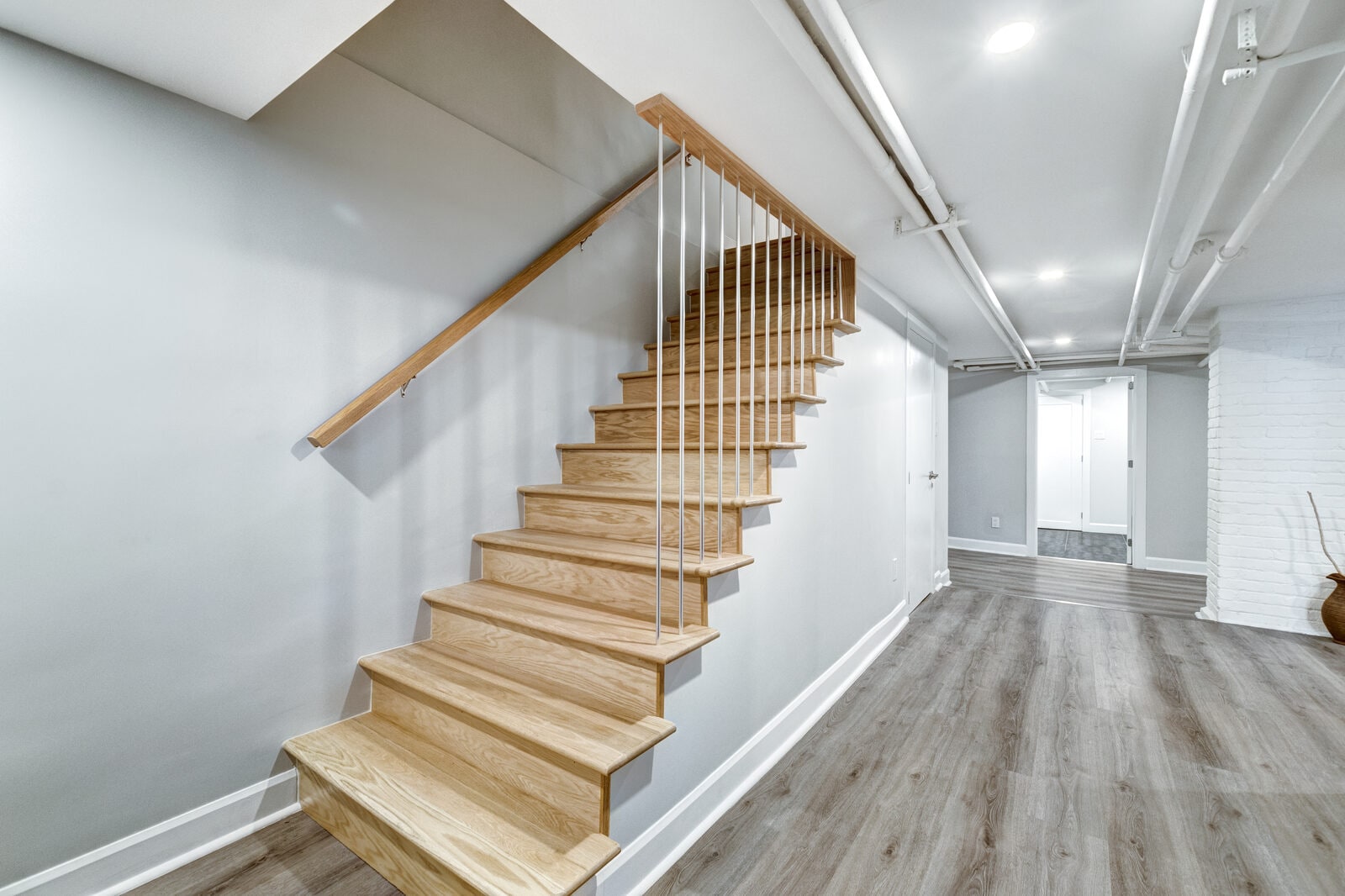
Most basement flooring problems are not flooring problems. They are moisture problems that the flooring was asked to survive. A concrete slab sits against ground that is damp for most of the year, and water vapour moves up through it whether or not you can see it. That is the starting point for every basement job we take, including this one in [location].
The brief
[What the space was being turned into — rec room, home office, guest suite — and what was down there before.] Roughly [X] square feet below grade.
Testing the slab first
We check the slab for moisture before recommending anything. [What the readings showed.] If a slab is pushing vapour, an engineered wood floor will cup and a glued-down product can debond — so the test result narrows the material list before anyone looks at a sample board.
Why luxury vinyl plank
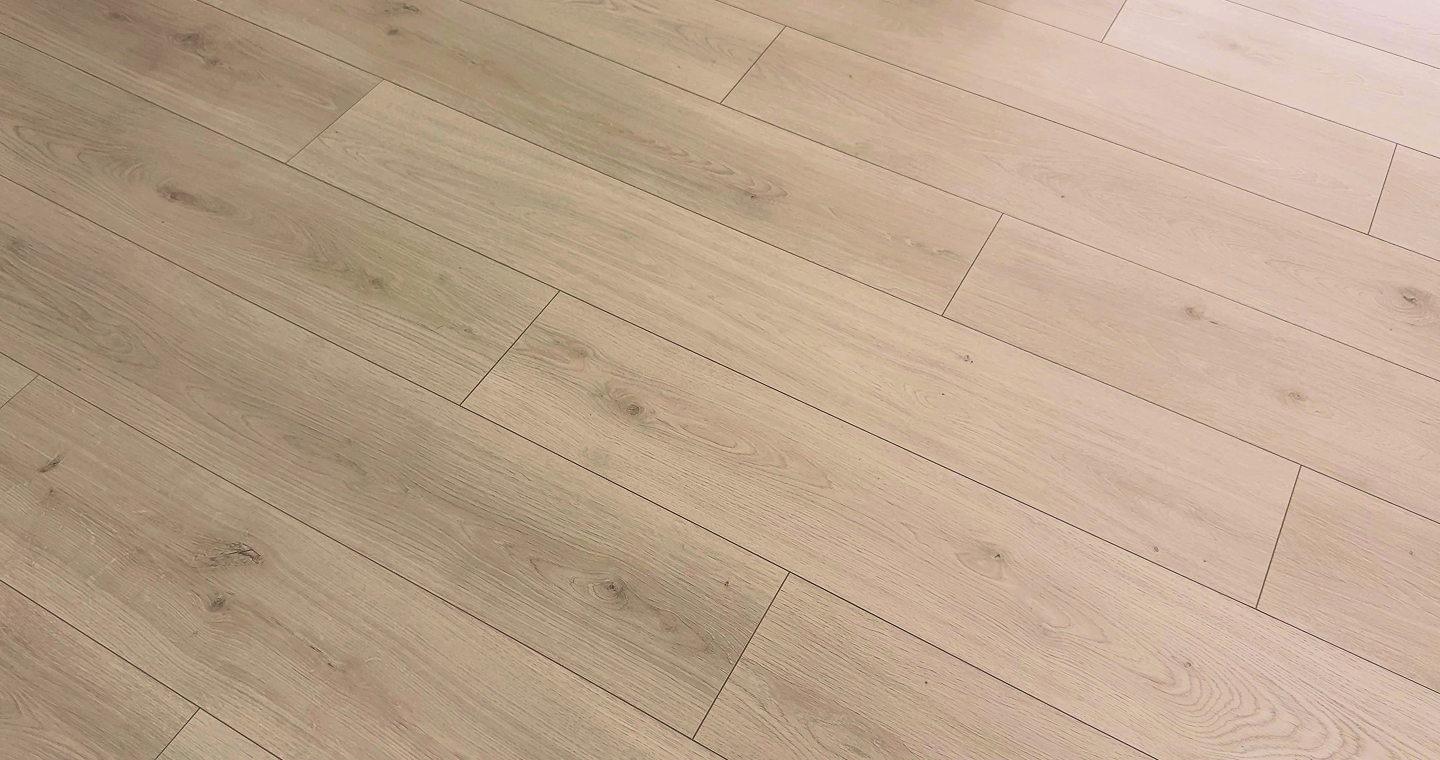
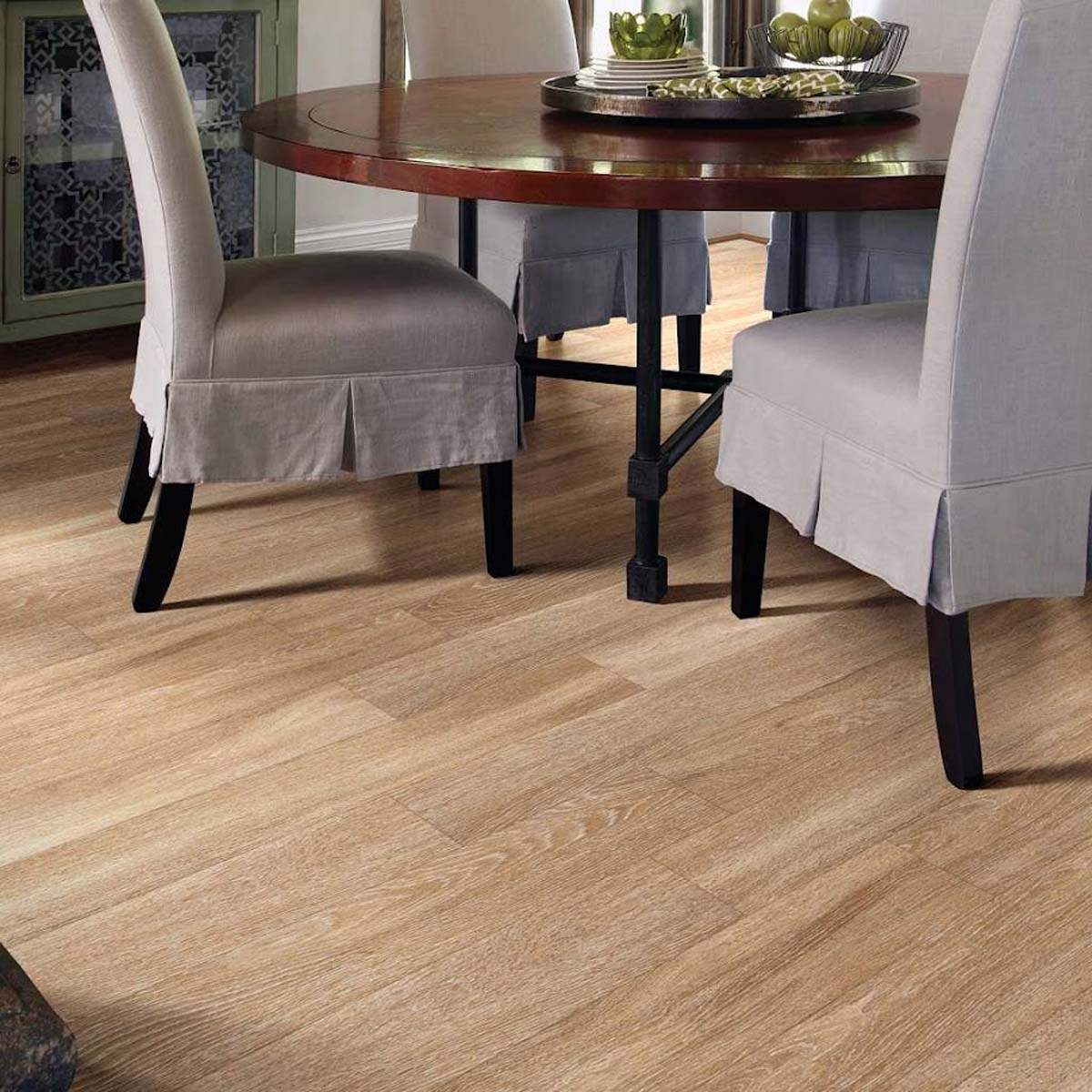
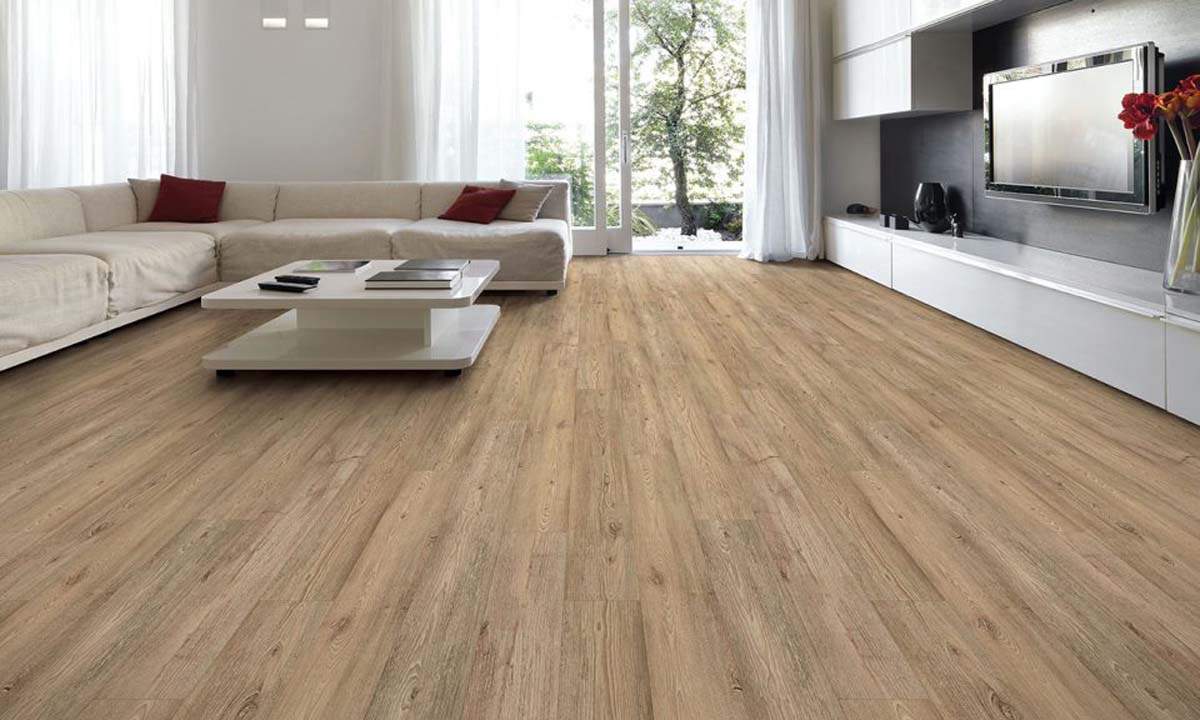
LVP is dimensionally stable, waterproof through its thickness rather than just on the surface, and forgiving of the small slab imperfections every basement has. A click-together floating installation also means the floor is not bonded to the slab, so seasonal movement in the concrete does not transfer straight into the finish. We specified [product, thickness and wear layer].
Underlay does the quiet work
Basements are cold and they echo. The underlay we used [type] adds a thermal break between slab and plank and takes the hardness out of each footstep. Where a vapour barrier was needed, it went in underneath. This layer is invisible once the job is done and it is the part most often cut to save money.
Transitions and the stairs
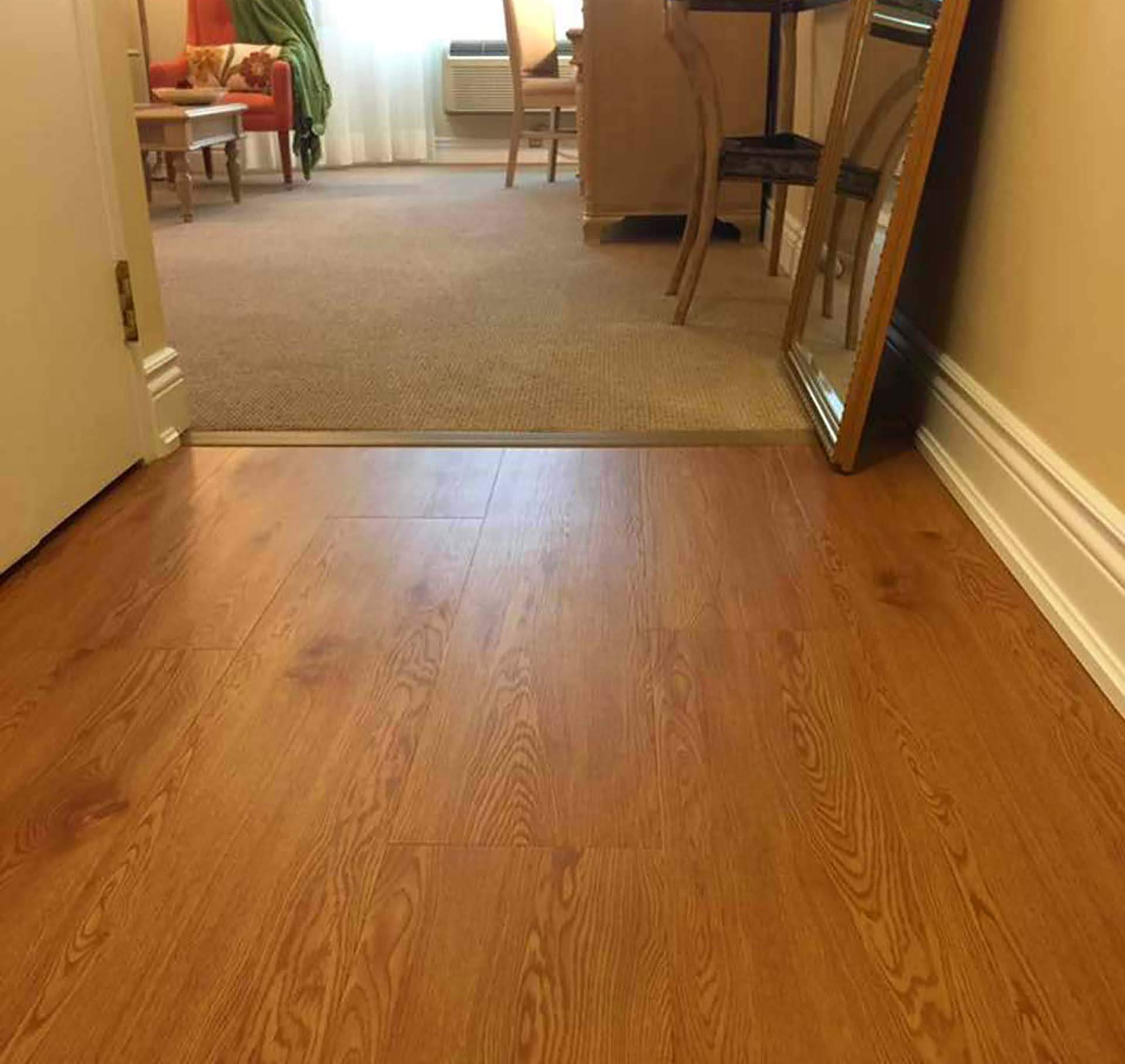
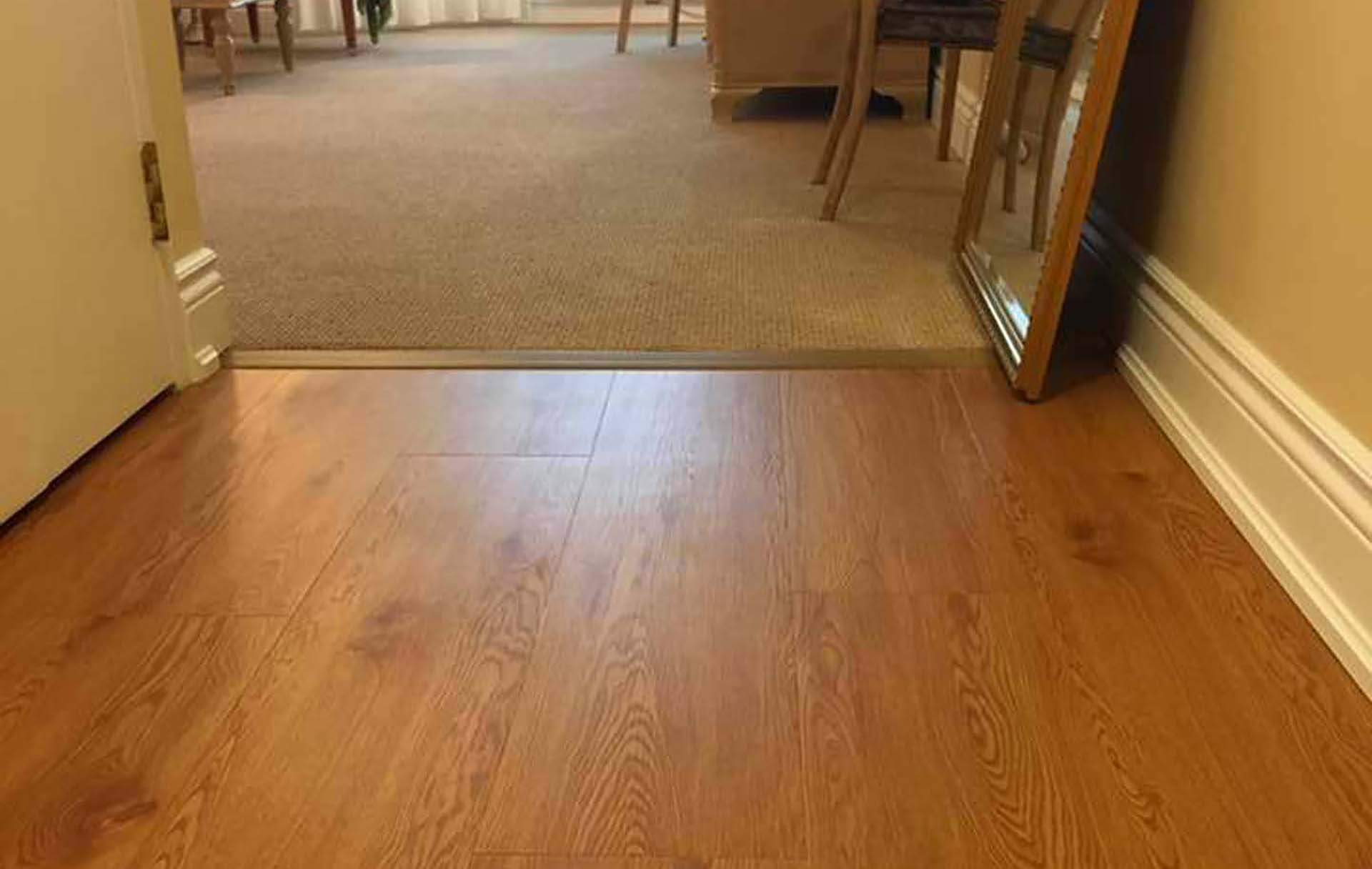
[How the floor met the stairs, any existing tile, and the mechanical room threshold.]
On site
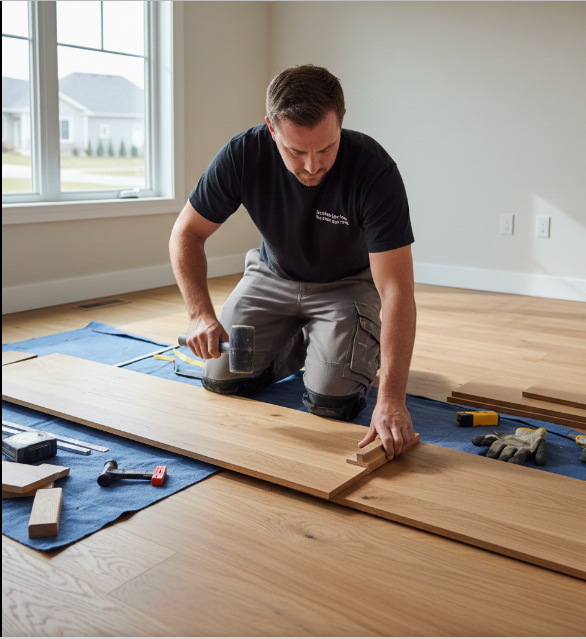
[Number] days, including [slab prep and levelling, underlay, install, trim].
Planning a basement?
Tell us what the space will be used for and whether you have ever seen damp on the slab. Those two answers shape the quote more than the square footage does.
More articles




Schedule a free
at home consultation
Tell us about your project and let our experts guide you to the ideal floor.
Speak with a specialist